Importing SPC flooring can be profitable, but it also comes with recurring challenges that many buyers experience across different suppliers and markets.
Most disputes do not start from bad intentions, but from unclear standards, weak process control, or unrealistic expectations.
Most issues are predictable — and preventable — with the right process.
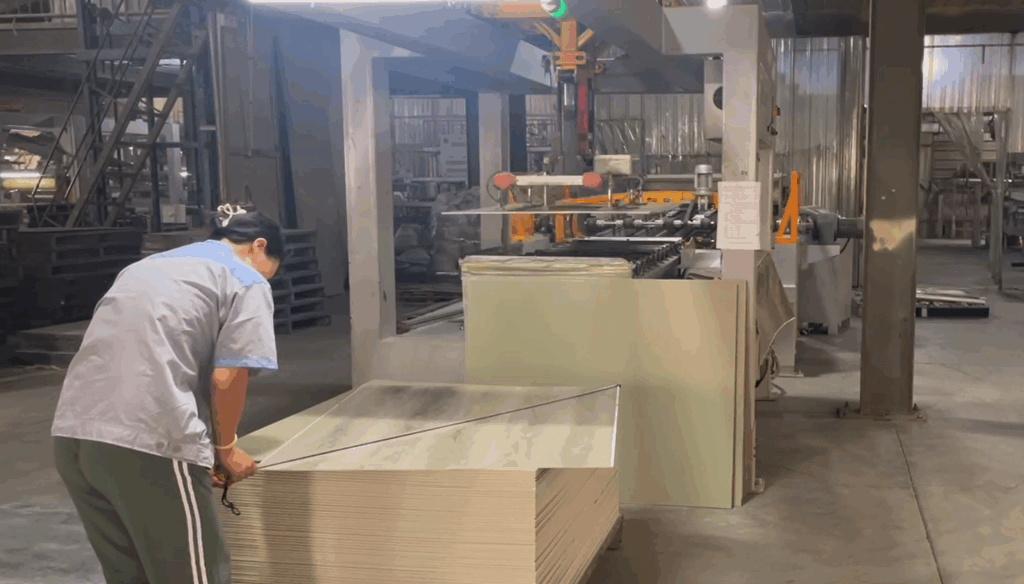
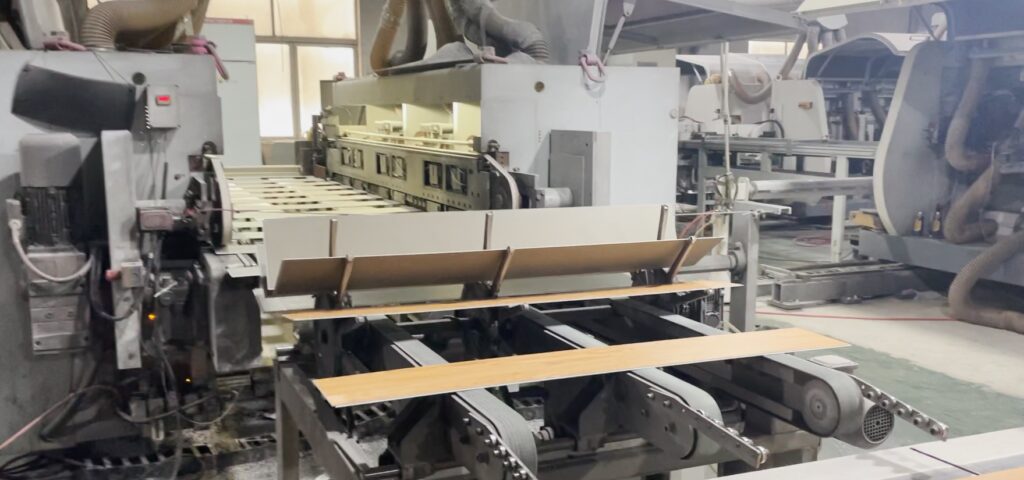
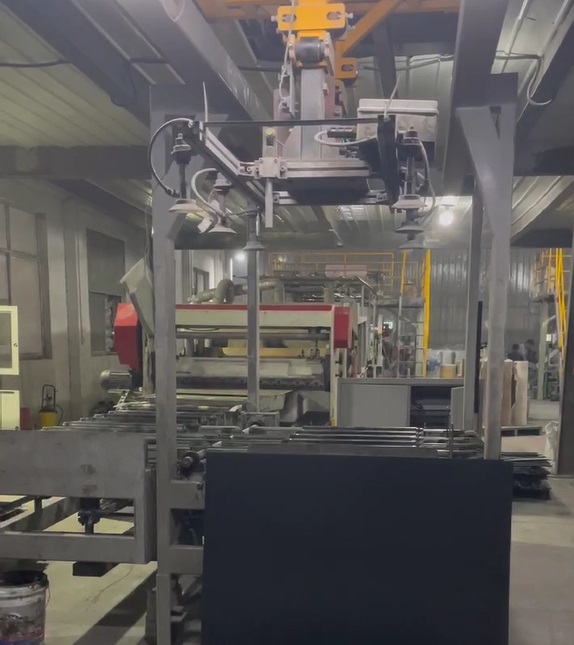
Many locking-related failures are caused by inconsistent core density and weak process control during manufacturing. We explain how professional suppliers manage this in our SPC Quality Control Standards guide.
The Most Common Problems and Their Root Causes
Color inconsistency between batches
Color variation is one of the most frequent complaints in SPC flooring projects, especially for repeat orders.
Root causes typically include film mismatch between production runs, weak batch tracking, or the absence of a clearly defined reference sample as the production standard.
Without a fixed benchmark, even small variations accumulate into visible differences at installation sites.
Locking system failures
Click system issues often appear during installation or shortly after use, resulting in joint separation or damaged edges.
The root causes are usually tolerance control issues during extrusion, unstable click profile calibration, or density fluctuation within the SPC core.
These problems rarely come from a single defective plank, but from systematic process instability.

Over-promised lead times
Delayed shipments often stem from overly optimistic production schedules.
Common root causes include the lack of realistic production planning, supplier overload during peak seasons, or frequent specification and packaging changes after order confirmation.
Without buffer planning, even minor disruptions can push delivery dates significantly.
Understanding realistic MOQ and lead time expectations is one of the most effective ways to avoid supply delays. You may find this MOQ & Lead Time explanation for SPC flooring useful.
Unclear quality responsibility
When quality disputes arise, unclear responsibility often escalates small issues into major conflicts.
This usually happens when there is no written quality acceptance standard, no defined tolerance limits, or a vague claim handling process agreed in advance.
In such cases, both sides may believe they are right, yet cooperation suffers.
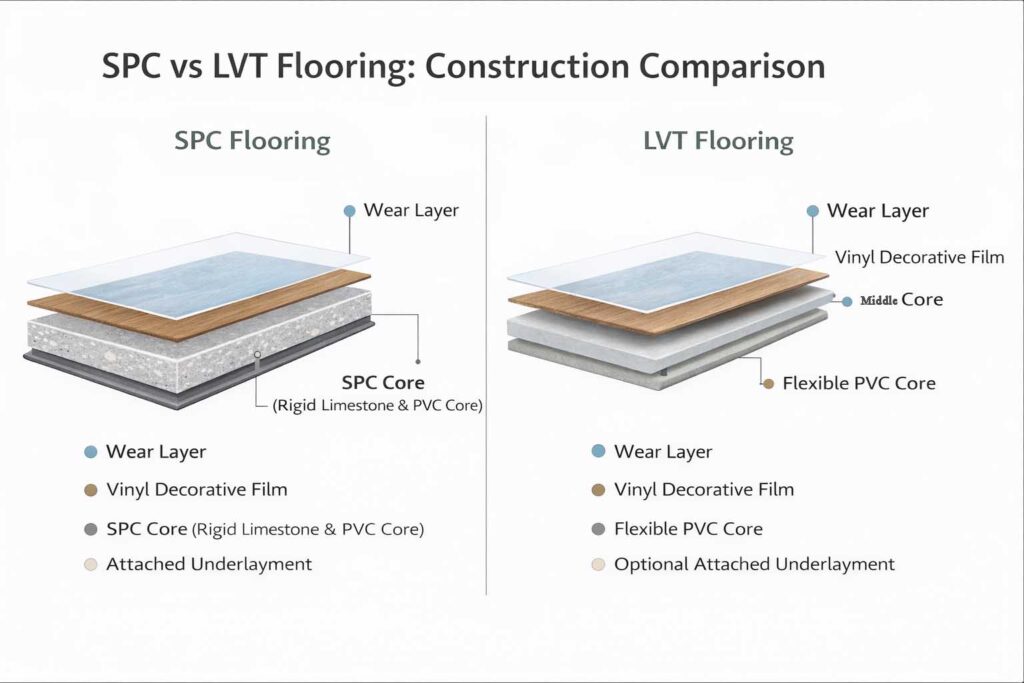
For buyers still deciding between SPC and other vinyl options, understanding where these problems occur most often can help with product selection. This SPC vs LVT comparison guide provides a practical overview.
How to Prevent These Issues: A Buyer Checklist
Many common problems can be avoided by following a structured approach before and during cooperation:
- Confirm the approved reference sample as the official production standard
- Define quality acceptance standards and tolerances before mass production
- Request tolerance control and inspection records for key production stages
- Work with suppliers experienced in export markets and claim handling
- Clarify the claim procedure in advance, including evidence requirements, response timeline, and responsibility allocation
Clear documentation reduces uncertainty and protects both parties.
Conclusion
Successful SPC flooring cooperation depends less on chasing the lowest price and more on building a stable, repeatable process.
We prefer clear standards upfront so the cooperation stays smooth and repeatable.