
MOQ, Lead Time & Customization Explained – SPC Flooring Supply
MOQ, lead time, and customization are three core factors that determine whether an SPC flooring supplier is suitable for long-term cooperation.
These topics are frequently discussed but often vaguely explained, which leads to misunderstandings, delayed shipments, or unexpected cost increases.
In real manufacturing conditions, these three elements are closely linked. They influence not only pricing, but also production scheduling, delivery reliability, and quality consistency.
For importers, these three factors decide cost control, delivery reliability, and after-sales risks.
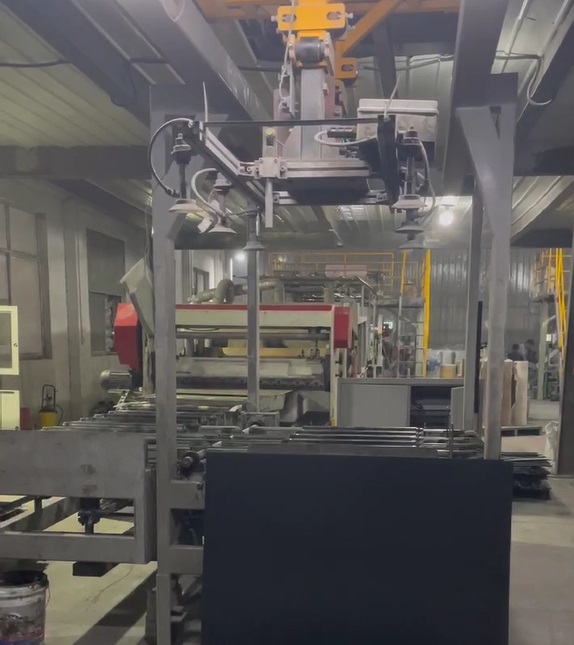
MOQ for SPC Flooring: What Importers Should Expect
Typical MOQ range
For standard SPC flooring, the typical minimum order quantity is 800–1,200 sqm per color, depending on product structure and surface requirements.
Mixed colors within one container are generally possible. However, each individual color still needs to meet the minimum MOQ to ensure stable production and quality control.
What affects MOQ
Several factors directly influence the MOQ level:
- Core formulation and density requirements
- Surface treatment type (EIR, embossing, matte finish)
- Click system design and profile stability
- Packaging type, including carton size and pallet configuration
Products with more complex structures or tighter tolerances usually require higher MOQs to maintain consistency.
MOQ vs unit cost
Lower MOQ normally means higher unit cost due to setup loss, material waste, and reduced production efficiency.
Lead Time: What “25–35 Days” Really Means
Standard lead time
Under normal conditions, standard SPC flooring production takes 25–35 days after order confirmation.
Order confirmation means that samples, deposit, specifications, and packaging artwork are all fully approved.
What adds extra days (usually 7–10 days)
Additional time may be required when the order involves:
- New color development or film matching
- New mold or new embossing pattern
- New packaging design or artwork approval
These steps are common in customized projects and should be planned in advance.
Buyer checklist to avoid delays
To keep lead time under control, buyers should confirm the following before production:
- Final specification sheet (thickness, wear layer, click system)
- Packaging artworks (carton design, labels, barcodes)
- Approved reference sample and quality tolerance standard
Clear confirmation upfront is the most effective way to avoid shipment delays.
Customization Options Importers Actually Use
Most importers focus on practical customization that supports sales, logistics, and branding rather than extreme product variation.
Common customization includes:
- Size and thickness
- Wear layer options (0.2 / 0.3 / 0.5 mm)
- Surface texture (EIR, embossing, matte)
- Packaging and private label solutions (cartons, inserts, barcodes)
The most common importer combination in the market is:
4.0/0.3 mm or 5.0/0.3 mm SPC flooring with click system and private label carton packaging.
This structure balances cost, durability, and market acceptance across multiple regions.
Conclusion
Understanding how MOQ, lead time, and customization work together helps importers avoid delays, control costs, and reduce operational risk. Transparent suppliers will always explain what affects these factors instead of offering unrealistic promises.
If you share your target market and order plan, we can recommend a MOQ and lead time strategy that fits your distribution rhythm.